Proposal number: BiodivERsA-FACCE2014-46
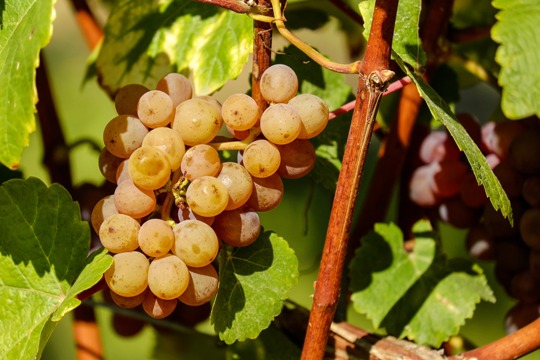
Essential biodiversity-based ecosystem services in viticulture landscapes result from the functioning of and interactions between a diverse community of organisms inhabiting vineyards. For a long time, viticulture was a good example for an agricultural system which tolerates a range of different plant and animal species between, within and adjacent to the grapevine rows. However, in the last decades, intensification in vineyard management progressively eliminated these non-crop elements, hence deteriorating overall biodiversity. The fear of potential competition for water and nutrients between weeds and grapevines led to a zero tolerance attitude against weeds in vineyards. Agricultural practices counteract synergies between plants in supporting a high arthropod diversity. Wild bees play an important role as pollinators for wild plant species and fruit trees such as cherries, apricots or almonds which are characteristic elements of viticulture landscapes across Europe. Moreover, even if grapevines are self/wind pollinated, influences of pollinators on grapevine yield or quality are suspected. While the link between plant species diversity and pollinators is rather well known, we know very little about how plant diversity affects the diversity and activity of earthworms and other soil biota. Those interactions could be substantial as earthworms acting as ecosystem engineers are eminent for nutrient cycling, soil structure and stable soil aggregates which contribute to improved water infiltration and soil erosion mitigation. These effects are important as soil erosion is one of eight main causes of soil degradation, counteracting soil carbon sequestration, threatening sustainable land use and more extreme precipitation events are predicted due to climate change. Hence, diversely structured viticulture landscapes not only inhabit high biodiversity and provide aesthetic values for human well-being and recreation but also would decrease the need for external inputs.
We will compare ecological linkages in viticulture landscapes of three different levels of management intensity in different climate zones across Europe located in France, Spain, Romania, and Austria. Dissemination strategies will transfer the project result to regional, national and European policy-makers, and inform the general public about the issues associated with ecosystem services provided by diverse viticulture. In order to achieve these aims we will closely work together with stakeholders and decision makers and incorporate their views and requirements for sustainable viticulture under practical conditions. Thus, VineDivers will not only contribute novel and innovate knowledge for the scientific community but also evaluate the potential for including the studied approach in EU agri-environmental schemes.
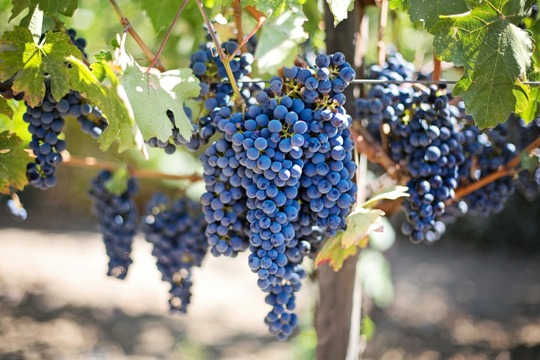
Determining how different management practices in vineyards affect the relations between the trophic network of plants, pollinators and soil biota and how these functional groups promote or restrain the provision of ecosystem services in viticulture landscapes
Assessing which level and type of disturbance frequency provides the best trade-off for biodiversity-based ecosystem services within vineyards
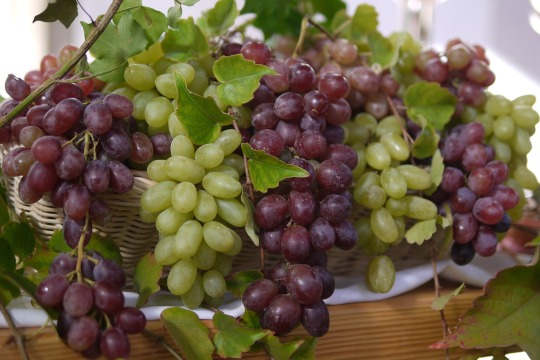
Developing recommendations for farmers, stakeholders and policy makers for management practices within and besides vineyards that sustain ecosystem functioning, biodiversity and high grape yields and quality
An |
Etape/ DenumireaActivităţii |
Partener implicat*** |
Categoria de activitate *) |
Rezultate estimative verificabile ale activitatii |
Data de finalizare a etapei |
2015 |
Etapa I |
- |
Dezvoltare experimentală |
- Studii preliminare cu privire la calitatea strugurilor |
31.12.2015 |
|
Activitate I.1 |
- |
|
|
|
Activitate I.2 |
|
|
|
|
|
Activitate I.3 |
|
|
|
|
|
2016 |
Etapa II |
|
Dezvoltare experimentală |
Articol ISI sau BDI |
31.12.2016 |
|
Activitatea II.1 |
|
|
|
|
Activitate II.2 |
|
|
|
|
|
Activitate II.3 |
|
|
|
|
|
Activitate II.4 |
|
|
|
|
|
Activitate II.5 |
|
|
|
|
|
2017 |
Etapa III |
|
Dezvoltare experimentală |
Prezentarea rezultatelor la Conferinte internationale |
31.12.2017 |
|
Activitatea III.1 |
|
|
|
|
2018 |
Etapa IV |
|
Dezvoltare experimentală |
Prezentarea rezultatelor la Conferinte internationale |
30.09.2018 |
|
Activitatea IV.1 |
|
|
|
|
Director proiect: Conf.dr. Bunea Claudiu-Ioan
Membri proiect:
Asist. cercetare dr. Popescu Daniela
Sef lucr.dr. Hoble Adela
Prof.dr. Rusu Teodor
Prof. dr. Marghitas Alexandru
DISSEMINATION OF RESULTS - publications on the theme of the project:
For every question, information or just to say "Hi", here is how you can get in touch with us.